
Showing posts with label addiction. Show all posts
Showing posts with label addiction. Show all posts
Tuesday, July 7, 2015
When Gambling Becomes A Problem
How do you know if frequent weekends in Vegas have become a gambling addiction? The signs of a gambling problem are often the same as the signs of other addictions. Common signs of a gambling addiction include:
• Feeling the need to be secretive about your gambling
• Having trouble controlling your gambling habits
• Gambling when you cannot afford to do so
• Friends and family often expressing concern with your gambling
Of course, as with any other addiction, the hallmark sign of a gambling problem is that you feel you cannot stop. Gambling is a diverse activity, so it is not always obvious when someone is addicted to gambling. Contrary to popular belief, the act of gambling is not restricted to slot machines, cards and casinos. Purchasing a lottery ticket, entering a raffle or making a bet with a friend are also forms of gambling. Gambling addiction is associated with many additional challenges, in both the short- and long-term, beyond that of gambling. Consequently, a gambling addiction frequently results in other addictions that serve as coping mechanisms for people who are stressed out by the activity. Many gamblers turn to drugs, alcohol and other activities to alleviate the anxiety brought on by the gambling lifestyle. Even if a gambler never experiences financial ruin as a result of the lifestyle, they may struggle with drug and alcohol addiction for the rest of their life after self-medicating to deal with the stress.  Gambling addiction can occur when a person feels that they are in financial ruin and can only solve their problems by gambling what little they have in an attempt to win a large sum of money. Unfortunately, this almost always leads to a cycle in which the gambler feels they must win back their losses.
Because gambling addiction is often associated with depression and anger, quitting gambling is no easy feat, but it can be done with the help of a solid support group and treatment program. It can be difficult to get started on the path to recovery without the assistance of professionals who have helped people through the process before. Supportive friends and family are vital to a full recovery, but they might not know how best to help you.
If any of this sounds familiar, you, or someone you love, may be struggling with a gambling addiction. In California, help is available for the gambler, and the gambler’s family, with no zero out of pocket expense. For further information, please call 1-800-gambler, or visit the following website www.problemgambling.ca.gov


Sunday, November 23, 2014
Tips For Surviving The Holidays: Recognizing & Overcoming The Holiday Blues

Monday, January 14, 2013
Causes & Cures For Anger
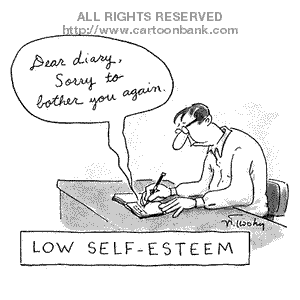 Anger is a secondary emotion that people unconsciously use to protect or deflect a wide variety of uncomfortable feelings away from themselves and possibly onto other people. Many times anger stems from low self-esteem, or other feelings of inadequacy. What then is self-esteem and why is it important? How can we recognize it and what can we do to increase it? While much of a person’s self-esteem is developed throughout their childhood and is rooted in their family of origin, we can always make the conscious effort to alter our behaviors and learn to increase our sense of purpose, accomplishment, and acceptance later in life. This is typically a slow process and it isn’t always easy.
Here are some ways to catch these negative patterns as they happen, and to begin changing them.
•Get sober. Get help through 12-step groups to stop self-destructive behaviors. Addictions make learning harder and can bring down your mood.
•Practice self-care. Make new positive lifestyle choices.•Identify triggers to low self-esteem. Don’t personalize negative or stressful events (e.g., criticism). If you do a self-defeating action usually follows.
•Stop and take notice. Pay attention to the familiarity of the impulse. We tend to overreact in the same way to the same things over and over again.
•Acknowledge reaction. Take note of how you are reacting. Then actively choose to change it rather than just passively noticing it.
• Choose response. Hold in self-defeating impulses and instead act in a positive, self, caring and functional way.
◦Experience feelings. “Feel” feelings in your body and identify your needs. When we do not respect our feelings, we are left to rely on what others want and believe.
 ◦Detachment. End all abuse; say “no” to misrepresentations and assumptions. By maintaining personal boundaries, we discourage abuse by others and assert our separateness.
◦Assertion. Voice what you see, feel, and want by making “I” statements. By expressing our thoughts, feelings, and desires in a direct and honest manner, we show that we are in charge of our lives.
◦Receptivity. End self-absorption; listen to others’ words and meanings to restate them. In this way, we act with awareness of our contribution to events as well as empathize with the needs of others. For more information about coping with anger through increasing self esteem, please visit our website at www.nvamc.com, or call us at 1-888-992-6479. Remember, "we are not responsible for being down, but we are responsible for getting up" (Jessie Jackson).
Subscribe to:
Posts (Atom)