
Showing posts with label self care. Show all posts
Showing posts with label self care. Show all posts
Sunday, April 26, 2015
Anger & Stress: Is There A Connection?


Sunday, November 23, 2014
Tips For Surviving The Holidays: Recognizing & Overcoming The Holiday Blues

Monday, March 24, 2014
Good Self Care Reduces Anger
Good Self Care Reduces Angry Outbursts
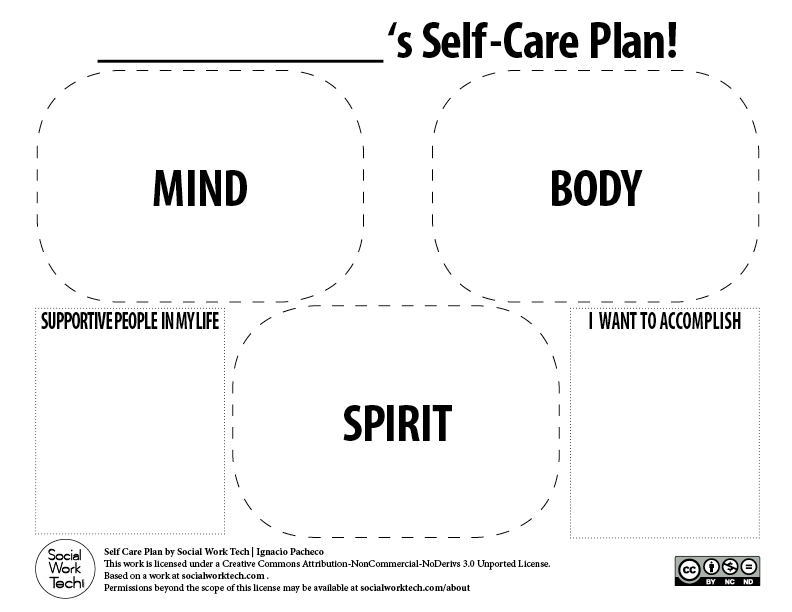
Self-care is a critical part of overall good health, but it is also a key component in managing our emotions. When self-care is neglected, one of the first warning signs is increased irritability and anger towards family and friends. In fact, successfully managing angry outbursts often depends on how well we manage our day to day responsibilities. Good self-care means good stress/anger management. Consequently, balance in all areas of day to day life is often the key.
Below is a self-care plan template published by Social Tech.Com. Notice the three areas of focus are the mind, body, and spirit. These represent the three domains of life (work/home/relationships). To achieve a healthy balance, equal attention and nurturing must be given to all three areas. Too much stress, or too much time devoted to any one area can cause increased stress and lead to anger, irritability and outbursts.
For more information regarding anger management, stress management, and self-care please feel free to visit our website at www.nvamc.com or call 1-888-992-6479.

Saturday, May 18, 2013
Anger Management Is Part of Self Care 101
 In a recent mental health report, from the Office of the U.S. Surgeon General (U.S.Public Health Service), anger management classes are recommended as part of acomprehensive stress reduction program. The Surgeon General, in a clarion call for health promotion initiatives, underscores the importance of psycho educational interventions at a community level for a range of problems including parenting, stress management, and anger management classes. Because anger management is a broad spectrum intervention, it is notable for its wide applicability to a variety of constituencies for both primary and secondary stress prevention. For example, anger management techniques are needed desperately by doctors, teachers, probation officers, correctional staff, counselors, community leaders and parents. Ease of access for anger management services is readily available by utilizing programs at various community locations, such as schools, social service organizations, churches, libraries, and provide convenient venues for workshops and classes.
  A recent study at John Hopkins University found that most people who have experienced heart attacks or strokes had problems managing anger. Thus unhealthy anger has serious health implications and needs to be addressed proactively. Good health requires self-care, and participation in a psycho educational program may be an important aspect in preventive care.
 Monday, January 14, 2013
Causes & Cures For Anger
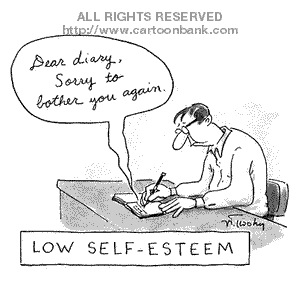 Anger is a secondary emotion that people unconsciously use to protect or deflect a wide variety of uncomfortable feelings away from themselves and possibly onto other people. Many times anger stems from low self-esteem, or other feelings of inadequacy. What then is self-esteem and why is it important? How can we recognize it and what can we do to increase it? While much of a person’s self-esteem is developed throughout their childhood and is rooted in their family of origin, we can always make the conscious effort to alter our behaviors and learn to increase our sense of purpose, accomplishment, and acceptance later in life. This is typically a slow process and it isn’t always easy.
Here are some ways to catch these negative patterns as they happen, and to begin changing them.
•Get sober. Get help through 12-step groups to stop self-destructive behaviors. Addictions make learning harder and can bring down your mood.
•Practice self-care. Make new positive lifestyle choices.•Identify triggers to low self-esteem. Don’t personalize negative or stressful events (e.g., criticism). If you do a self-defeating action usually follows.
•Stop and take notice. Pay attention to the familiarity of the impulse. We tend to overreact in the same way to the same things over and over again.
•Acknowledge reaction. Take note of how you are reacting. Then actively choose to change it rather than just passively noticing it.
• Choose response. Hold in self-defeating impulses and instead act in a positive, self, caring and functional way.
◦Experience feelings. “Feel” feelings in your body and identify your needs. When we do not respect our feelings, we are left to rely on what others want and believe.
 ◦Detachment. End all abuse; say “no” to misrepresentations and assumptions. By maintaining personal boundaries, we discourage abuse by others and assert our separateness.
◦Assertion. Voice what you see, feel, and want by making “I” statements. By expressing our thoughts, feelings, and desires in a direct and honest manner, we show that we are in charge of our lives.
◦Receptivity. End self-absorption; listen to others’ words and meanings to restate them. In this way, we act with awareness of our contribution to events as well as empathize with the needs of others. For more information about coping with anger through increasing self esteem, please visit our website at www.nvamc.com, or call us at 1-888-992-6479. Remember, "we are not responsible for being down, but we are responsible for getting up" (Jessie Jackson).
Subscribe to:
Posts (Atom)