
Showing posts with label Anger Management Class. Show all posts
Showing posts with label Anger Management Class. Show all posts
Thursday, December 31, 2015
New Year's Resolutions That Really Work: Anger Management!


Saturday, September 13, 2014

Monday, March 24, 2014
Good Self Care Reduces Anger
Good Self Care Reduces Angry Outbursts
Self-care is a critical part of overall good health, but it is also a key component in managing our emotions. When self-care is neglected, one of the first warning signs is increased irritability and anger towards family and friends. In fact, successfully managing angry outbursts often depends on how well we manage our day to day responsibilities. Good self-care means good stress/anger management. Consequently, balance in all areas of day to day life is often the key.
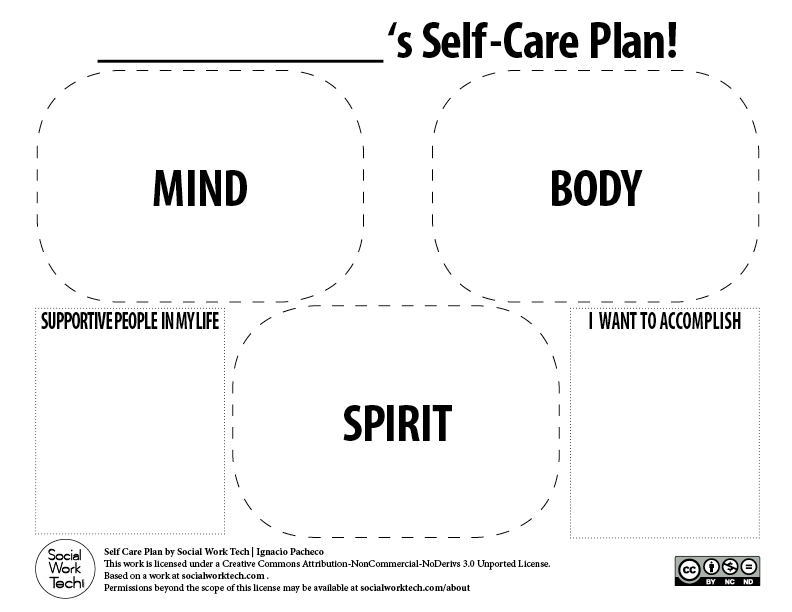
Below is a self-care plan template published by Social Tech.Com. Notice the three areas of focus are the mind, body, and spirit. These represent the three domains of life (work/home/relationships). To achieve a healthy balance, equal attention and nurturing must be given to all three areas. Too much stress, or too much time devoted to any one area can cause increased stress and lead to anger, irritability and outbursts.
For more information regarding anger management, stress management, and self-care please feel free to visit our website at www.nvamc.com or call 1-888-992-6479.

Monday, December 9, 2013
Is It Normal To Feel Angry?
Is anger normal? Absolutely! Everyone feels angry. It’s what we do with the feeling of anger that matters. Per George Anderson, LCSW, anger is a normal human emotion. In fact, anger is one of the first indications that a person may feel emotionally injured. It is important to note that anger is a secondary emotion that exists to protect people from feeling the more vulnerable emotions such as hurt, loss, grief, fear, offended, attacked, frightened, lonely or sad. This is not an uncommon response, often initiated by our psyche during times of stress in response to the more sensitive feelings.

However, anger also has very negative connotations, and when out of control is often associated with unhealthy and abusive aspects of the human condition. Anger maybe considered a problem when it is too intense, occurs too frequently, is harmful to self or others, lasts too long or leads to aggression. Unfortunately, as the economy continues to struggle and the cost of living remains sky high; incidents of unhealthy anger and aggression have increased ten fold worldwide. This increase is visible across all sectors of our society including government, politics, professional sports, business, education, and medicine.
If you or someone you love is experiencing unhealthy levels of anger or aggression, their emotional intelligence may no longer be effectively managed at the individual or family level, and may require voluntary and mandated training in stress management, anger management, communication and impulse control.
For more information about managing stressful emotions, please visit our website at www.nvamc.com, or call us at 1-888-992-6479.
Monday, May 27, 2013
Explosive Rage In Teenage Boys At Alarming Rate

In an alarmingly upward trend, teenage boys are increasingly
acting out in horrific acts of violent and explosive rage. Per The Guardian, one such tragic event
occurred on 24 May 2013, at which time a 15 year old boy allegedly killed his
adopted brothers (http://guardianlv.com/2013/05/west-point-utah-15-year-old-boy-allegedly-kills-adopted-brothers-10-and-4/),
in a small town, in West Point, Utah. Similarly,
per The LA Times, in January 2013, a
15 year old boy in New Mexico confessed to having killed his mother, father,
and three small siblings (http://articl es.latimes.com/2013/jan/21/nation/la-na-nn-albuquerque-griego-shooting-20130121). Regrettably, these are not isolated
incidents. In direct response to this growing trend in teen violence, enlightened parents are seeking
anger management education classes for their sons. Further, as part of a
proactive trend toward emotional intelligence training, anger management classes
are replacing punishment for teenage boys whose aggressive anger is alarming both their
parents and school personnel. The ongoing negative economic trend has impacted
the mood and stress levels of adults, children, and adolescents nationwide.
Anger, stress, and aggressive behavior are some of the consequences associated
with dramatic changes in socio-economic status. To punish an angry teen often leads to further negative alterations in his or her behavior. In contrast,
anger management classes, which are focused on increasing an individual’s emotional
intelligence by teaching skills in self-awareness, self-control, social
awareness and relationships, are more likely to result in skill enhancement in
the pivotal areas mentioned above. In fact, due to the fragile ego of teens, psychotherapy is often viewed as extremely
threatening and as such generally produces poorer outcomes. Therefore,
emotional intelligence for skill enhancement, in managing anger and stress,
delivered in a group setting, is a far more popular intervention with teenage
boys and is more likely to produce positive outcomes.
For further information regarding anger management education for teenage boys displaying disruptive, or anti-social behavior, please visit our website at www.nvamc.mobi or call 1-888-992-6479.
Saturday, May 18, 2013
Anger Management Is Part of Self Care 101
 In a recent mental health report, from the Office of the U.S. Surgeon General (U.S.Public Health Service), anger management classes are recommended as part of acomprehensive stress reduction program. The Surgeon General, in a clarion call for health promotion initiatives, underscores the importance of psycho educational interventions at a community level for a range of problems including parenting, stress management, and anger management classes. Because anger management is a broad spectrum intervention, it is notable for its wide applicability to a variety of constituencies for both primary and secondary stress prevention. For example, anger management techniques are needed desperately by doctors, teachers, probation officers, correctional staff, counselors, community leaders and parents. Ease of access for anger management services is readily available by utilizing programs at various community locations, such as schools, social service organizations, churches, libraries, and provide convenient venues for workshops and classes.
  A recent study at John Hopkins University found that most people who have experienced heart attacks or strokes had problems managing anger. Thus unhealthy anger has serious health implications and needs to be addressed proactively. Good health requires self-care, and participation in a psycho educational program may be an important aspect in preventive care.
 Monday, January 28, 2013
Edward Furlong & Milton Bradley Demonstrate The Need For Anger Management
Edward Furlong & Milton Bradley Demonstrate the Need for Anger Management
 Anger is one of the most misunderstood and overused of human emotions. Anger is not a planned action – it’s a reaction to an inner emotion. Anger is energy. It serves a purpose by giving people the drive and determination to cope with the often difficult situations we find ourselves in. Anger helps discharge tension. If handled well, anger can help resolve conflict and improve relationships with others. Anger is an easy emotion to show; everyone gets angry.
However, what everyone doesn’t do is explode with public displays of person-directed anger in their relationships, custody disputes, or sporting events. While anger is a normal human emotion, the displays of verbal aggression and anger recently demonstrated by Furlong represents unhealthy anger, which destroys interpersonal relationships as well as the reputation of the perpetrator.
There are six situations in which anger is unacceptable in a civil society:
 1). When it is too intense.
3). When it lasts too long.
4). When it leads to person-directed aggression or violence.
For help dealing with unhealthy levels of anger or rage, please visit our website or call us for a free consultation.
North Valley Anger Management Consultants
www.nvamc.com
1-888-992-6479

However, what everyone doesn’t do is explode with public displays of person-directed anger in their relationships, custody disputes, or sporting events. While anger is a normal human emotion, the displays of verbal aggression and anger recently demonstrated by Furlong represents unhealthy anger, which destroys interpersonal relationships as well as the reputation of the perpetrator.
There are six situations in which anger is unacceptable in a civil society:

2). When it occurs too frequently.
3). When it lasts too long.
4). When it leads to person-directed aggression or violence.
5). When it destroys interpersonal relationships.
6). When it has health implications.
North Valley Anger Management Consultants
www.nvamc.com
1-888-992-6479
Monday, January 14, 2013
Causes & Cures For Anger
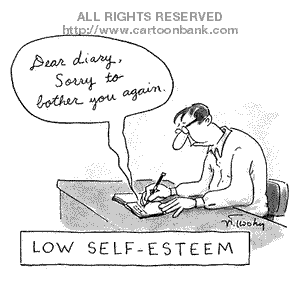 Anger is a secondary emotion that people unconsciously use to protect or deflect a wide variety of uncomfortable feelings away from themselves and possibly onto other people. Many times anger stems from low self-esteem, or other feelings of inadequacy. What then is self-esteem and why is it important? How can we recognize it and what can we do to increase it? While much of a person’s self-esteem is developed throughout their childhood and is rooted in their family of origin, we can always make the conscious effort to alter our behaviors and learn to increase our sense of purpose, accomplishment, and acceptance later in life. This is typically a slow process and it isn’t always easy.
Here are some ways to catch these negative patterns as they happen, and to begin changing them.
•Get sober. Get help through 12-step groups to stop self-destructive behaviors. Addictions make learning harder and can bring down your mood.
•Practice self-care. Make new positive lifestyle choices.•Identify triggers to low self-esteem. Don’t personalize negative or stressful events (e.g., criticism). If you do a self-defeating action usually follows.
•Stop and take notice. Pay attention to the familiarity of the impulse. We tend to overreact in the same way to the same things over and over again.
•Acknowledge reaction. Take note of how you are reacting. Then actively choose to change it rather than just passively noticing it.
• Choose response. Hold in self-defeating impulses and instead act in a positive, self, caring and functional way.
◦Experience feelings. “Feel” feelings in your body and identify your needs. When we do not respect our feelings, we are left to rely on what others want and believe.
 ◦Detachment. End all abuse; say “no” to misrepresentations and assumptions. By maintaining personal boundaries, we discourage abuse by others and assert our separateness.
◦Assertion. Voice what you see, feel, and want by making “I” statements. By expressing our thoughts, feelings, and desires in a direct and honest manner, we show that we are in charge of our lives.
◦Receptivity. End self-absorption; listen to others’ words and meanings to restate them. In this way, we act with awareness of our contribution to events as well as empathize with the needs of others. For more information about coping with anger through increasing self esteem, please visit our website at www.nvamc.com, or call us at 1-888-992-6479. Remember, "we are not responsible for being down, but we are responsible for getting up" (Jessie Jackson).
Saturday, September 29, 2012
Coping With Anger & Stress: When to Get Help


There are many different ways to calm down and relax. If any of these symptoms of system overload sounds like you or someone you love, I encourage you to find what works for you, or your loved one to de-stress and reclaim a calmer quality of life.
For more information about anger management, and a free consultation please visit our website at www.nvamc.com, or call 1-888-992-6479 today.
Sunday, January 15, 2012
Anger Management for Parents
Today's parents are dealing with more day to day frustration raising their children than ever before. In the majority of homes, parents are not only working, attempting to provide after school activities via sports programs, scouting, etc, but are also trying to maintain relationships with significant others, family, friends, religious affiliations, etc. Many of these homes are single parent households, which adds even more stress to the equation. Factor in those parents who are also trying to go to school in addition to everything else, in an attempt to improve there ability to earn a livable wage, and the stress multiplies expotentialy. Throw a defiant teen, or angry young one acting out due to divorce or other concerns, into the mix and you have a pressure cooker ready to blow at any moment. So how can mom&dad; diffuse their frustration and cope with the stress of parenting children in the twenty-first century? Are we really talking about anger management for parents? The answer is yes. In fact, anger management techniques are appropriate for everyone, everywhere, in all walks of life and parents are no exception. Mom&dad are people too, and are dealing with even more stress than those without children and as such have even greater need of anger management skills to cope with the demands of modern life. The following anger management techniques are recommended as stress management tools for parents to use to prevent nuclear implosion :
1) Lean to identify the physical signs of rising anger such as tightening of the stomach, neck, shoulders, clenched fists, gritting of teeth etc.
2) When the above signs are identified, count backwards to refocus your thoughts.
3) Give yourself a time out and walk and disengage from the source of stress while counting backwards.
4) Utilize relaxation techniques such as slow deep breathing, guided imagery, isometric excersises, stretching.
5) Give yourself fifteen minutes of unscheduled time a day just for you.
At North Valley Anger Management Consultants, we understand the unrelenting demands of being a parent in the twent-first century and are available to help. For a additional information, visit our website at www.nvamc.com or call us at 1-888-992-6479.

1) Lean to identify the physical signs of rising anger such as tightening of the stomach, neck, shoulders, clenched fists, gritting of teeth etc.
2) When the above signs are identified, count backwards to refocus your thoughts.
3) Give yourself a time out and walk and disengage from the source of stress while counting backwards.
4) Utilize relaxation techniques such as slow deep breathing, guided imagery, isometric excersises, stretching.
5) Give yourself fifteen minutes of unscheduled time a day just for you.
At North Valley Anger Management Consultants, we understand the unrelenting demands of being a parent in the twent-first century and are available to help. For a additional information, visit our website at www.nvamc.com or call us at 1-888-992-6479.
Sunday, January 8, 2012
The Heavy Cost of Anger: A Challenge & Social Experiment
Human beings get angry for various reasons, as a way of expressing and relieving emotion. One of the most common forms of anger is frustration. Anger, in and of its self, can be a normal, healthy emotion. In fact, everyone gets angry from time to time, most especially when that anger is frustration based. However, when the amount of frustration in a person life becomes so high that they are angry more often than not, or the anger is being expressed in unhealthy ways that are interfering in your quality of life, then it maybe time to consider getting help.
As it is now the dawn of 2012, I would like to issue a challenge; a social experiment if you will, and ask that you look back over the past year at how many times you, or a loved one, became angry, who was involved, and how you/they expressed the anger. Did you or a loved one feel better or worse after becoming angry? Was anyone hurt emotionally, physically, etc? Did you/they discover that the number of times/days they were angry was equal to, or greater than, the amount of time spent not being angry? Has the anger begun to interfer with daily living? Has your/their anger gotten in the way of things that used to be pleasureable? If it is a loved one, have you noticed you are now avoiding spending time with them? Has the anger become scary? Has the anger become so great that there is now a cost for that anger such as loosing a job or relationship?
If you have answered yes to any of these questions, I urge you to consider consulting with a professional. Anger of the degree described above is a heavy load to carry, and comes at a high cost to everyone involved. The good news is, anger doesn't have to consume anyones life. At North Valley Anger Management Consultants, we offer individual and group anger management classes that address the heavy cost of anger, through an evidenced based program that is proven to work. Don't let anger ruin one more day in your life, or the life of a loved one. At North Valley Anger Management Consultants,in Mission Hills, CA., we understand the heavy cost of anger and are available to help. Call us today for a free consultation, at 888-992-6479, or visit our website at www.nvamc.com.

As it is now the dawn of 2012, I would like to issue a challenge; a social experiment if you will, and ask that you look back over the past year at how many times you, or a loved one, became angry, who was involved, and how you/they expressed the anger. Did you or a loved one feel better or worse after becoming angry? Was anyone hurt emotionally, physically, etc? Did you/they discover that the number of times/days they were angry was equal to, or greater than, the amount of time spent not being angry? Has the anger begun to interfer with daily living? Has your/their anger gotten in the way of things that used to be pleasureable? If it is a loved one, have you noticed you are now avoiding spending time with them? Has the anger become scary? Has the anger become so great that there is now a cost for that anger such as loosing a job or relationship?
If you have answered yes to any of these questions, I urge you to consider consulting with a professional. Anger of the degree described above is a heavy load to carry, and comes at a high cost to everyone involved. The good news is, anger doesn't have to consume anyones life. At North Valley Anger Management Consultants, we offer individual and group anger management classes that address the heavy cost of anger, through an evidenced based program that is proven to work. Don't let anger ruin one more day in your life, or the life of a loved one. At North Valley Anger Management Consultants,in Mission Hills, CA., we understand the heavy cost of anger and are available to help. Call us today for a free consultation, at 888-992-6479, or visit our website at www.nvamc.com.
Subscribe to:
Posts (Atom)